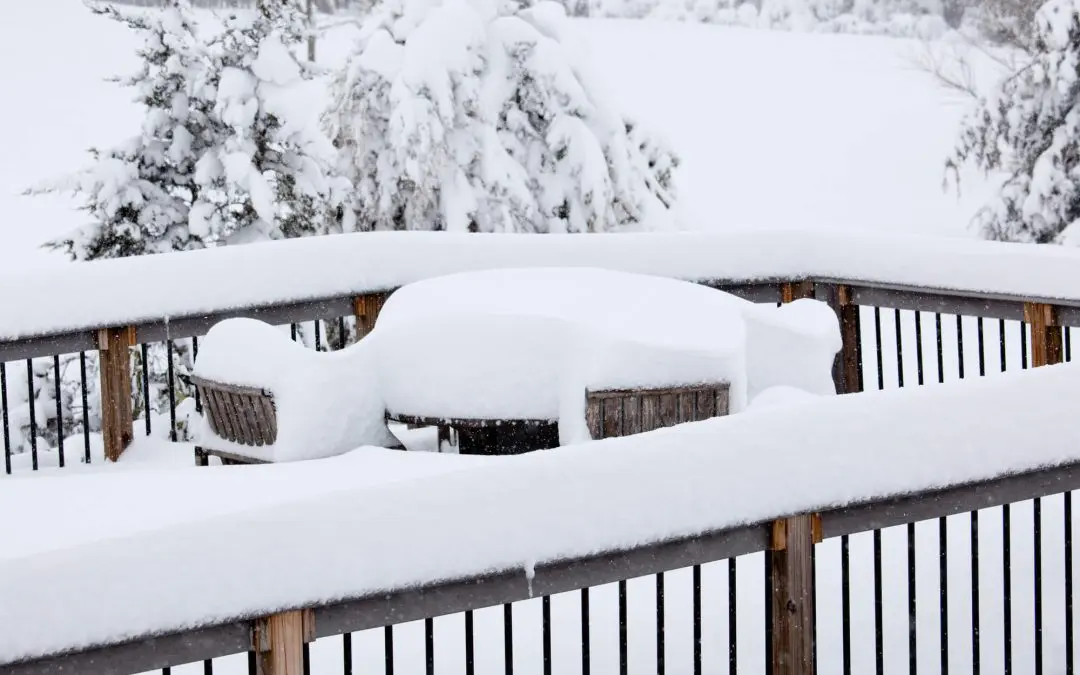
As temperatures drop and winter weather arrives, your deck will face months of exposure to moisture, freezing temperatures, and harsh conditions. Taking a little time now to winterize your deck protects your investment, extends its lifespan, and preserves its beauty. A well-prepared deck not only withstands snow and ice but also remains safer and more functional when spring arrives. Instead of dealing with repairs later, a few intentional steps now can shield your deck from unnecessary wear.
How to Winterize Your Deck with Proper Cleaning and Inspection
The first step in learning how to winterize your deck is giving it a thorough cleaning. Dirt, leaves, pollen, and summer debris often trap moisture, which leads to mold, mildew, and long-term damage. Clearing everything away ensures that sealers and treatments will properly absorb, and it also prevents moisture from settling into the wood during the colder months. Once the surface is clean, inspect the deck to look for signs of deterioration. Checking for loose boards, protruding nails, cracked planks, or early signs of rot allows you to make repairs before freezing temperatures exacerbate the issues. When you winterize your deck, addressing structural concerns early ensures your deck remains safe, sturdy, and prepared for whatever the weather brings.
Protecting the Wood While You Winterize Your Deck
A significant part of preparing for winter is applying a high-quality sealant or stain. Wood decks are particularly vulnerable to moisture, and once water seeps in, freezing temperatures may cause expansion that splits boards over time. A sealant creates a barrier that repels moisture, protects from UV rays, and maintains the wood’s appearance. Even composite decks benefit from protection, as winter grime could leave stains or create slippery surfaces. Sealing the deck is most effective when the weather is dry and mild, allowing the product to fully cure. This one step will dramatically reduce winter damage and preserve the deck’s strength for years.
Preparing Furniture and Accessories
Your deck isn’t just the boards beneath your feet; it’s the furniture, planters, and décor that make the space inviting. Before winter sets in, storing or covering outdoor furniture helps keep everything in good condition. Moisture and freezing temperatures affect wood, metal, and fabric differently, but all benefit from protection. Planters should be removed or raised to prevent trapped moisture from causing discoloration or mildew. Rugs and mats should be stored as well, as they may capture water and freeze against the deck surface, weakening the finish over time. Small steps protect the entire outdoor living space.
Managing Snow and Ice After You Winterize Your Deck
Even after you winterize your deck, winter maintenance remains important. Snow should be removed carefully and regularly to prevent the buildup of excess weight and moisture. Using a plastic shovel instead of a metal one helps avoid scratching the surface. Ice melt products must be chosen cautiously, as some contain chemicals that could damage deck materials. Managing buildup throughout the season prevents long-term moisture problems and guarantees your deck remains safe to walk on. These habits complement your preparation efforts, making the transition into spring much smoother.
Enjoying Peace of Mind All Winter
Winter may be harsh on outdoor structures, but a little preparation goes a long way. When you take the time to winterize your deck, you protect its structure, appearance, and long-term durability. With the right approach, your deck will emerge from winter looking just as strong and welcoming as it did in summer. It’s a small investment of time that pays off in comfort, convenience, and confidence as the seasons change.
Prudent Home Inspections offers inspection services in the Washington DC metro area. Contact us to schedule an appointment.