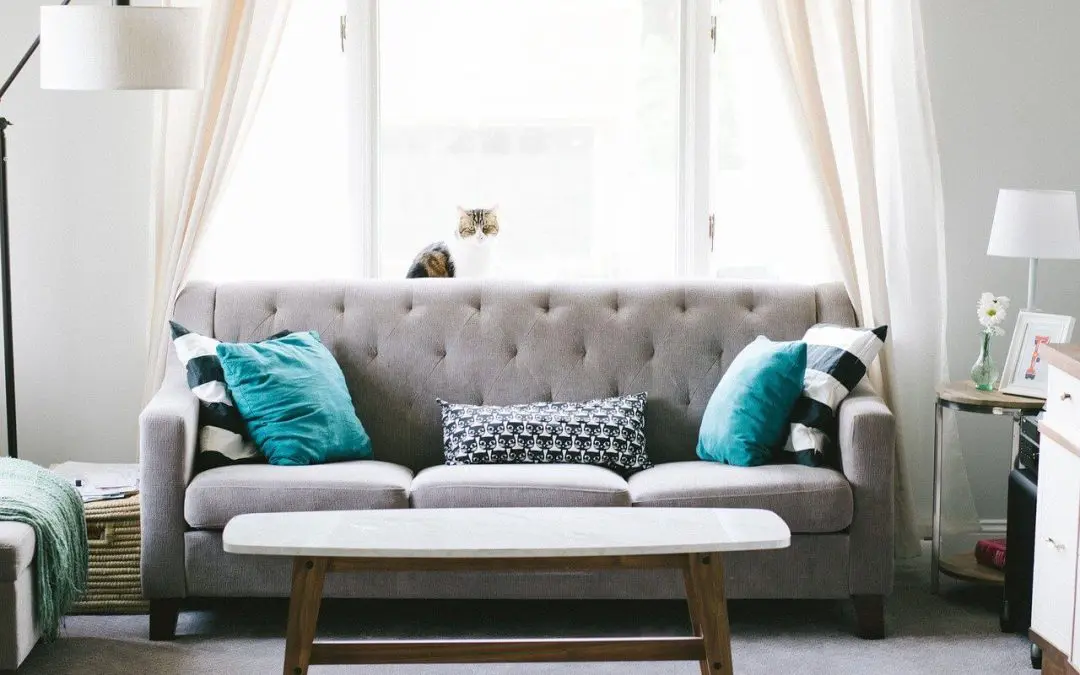
To modernize your home doesn’t mean gutting it and starting over; it means making targeted, intentional updates that shift the aesthetic language of the space from dated to current. Most homes have a mixture of elements that are genuinely timeless and elements that are clearly products of a particular era, and the art of modernization is identifying which is which and updating the latter without touching the former. A well-executed approach produces a result that feels fresh and considered without looking like a wholesale replacement of what was there before.
How to Modernize Your Home Without Losing Its Character
The elements most responsible for making a home feel dated are rarely structural; they’re the finishes, fixtures, and hardware selected to reflect a particular moment in residential design trends. Brass fixtures, honey oak cabinetry, popcorn ceilings, and certain tile patterns are reliable indicators of their era, and updating them is what produces the most visible modernization effect. The starting point is identifying the elements in each room that visually anchor it to a specific decade. These are typically the first things guests notice, and almost always surface finishes rather than structural elements, meaning they can be changed without demolition, permits, or significant structural work.
The Details That Do the Heavy Lifting
Hardware is the smallest detail with the largest cumulative effect on perceived modernity. Cabinet pulls and knobs, door handles, faucet finishes, light switch plates, and outlet covers shift the visual register of the entire space. Matte black, satin brass, and unlacquered metals read as current; polished brass, oil-rubbed bronze from the early 2000s, and chrome from the same era read as dated. A complete hardware update across a kitchen takes an afternoon and produces a transformation that often surprises homeowners by how much it changes the room. Lighting fixtures carry similar weight and similar accessibility. The builder-grade flush mounts and dated pendant styles that appear in most residential homes are among the first things buyers and visitors notice; replacing them with current profiles in the right finish immediately elevates the perceived quality of the space. Matching the finish of new fixtures to the hardware throughout the room creates the visual cohesion that makes a space feel intentionally designed rather than incrementally accumulated.
Interior Details That Modernize Your Home’s Overall Feel
Color and material play a quieter but equally important role in modernization. The warm, yellowed whites that dominated residential interiors through the 1990s and 2000s read as dated next to the cooler, cleaner whites and soft greiges that define current residential design. A paint refresh in a more contemporary neutral immediately shifts the visual baseline of any room. Texture mixing is a hallmark of current interior aesthetics that distinguishes contemporary spaces from their predecessors. Matte surfaces combined with brushed metals, natural wood tones alongside concrete-look tile, linen textiles against lacquered surfaces, these material combinations feel deliberate and current in a way that single-material, single-finish rooms don’t. Introducing one or two textural contrasts into a space through accessories, lighting, and soft furnishings is one of the most accessible ways to modernize your home without structural changes or significant investment.
Prudent Home Inspections offers inspection services in the Washington DC metro area. Contact us to schedule an appointment.