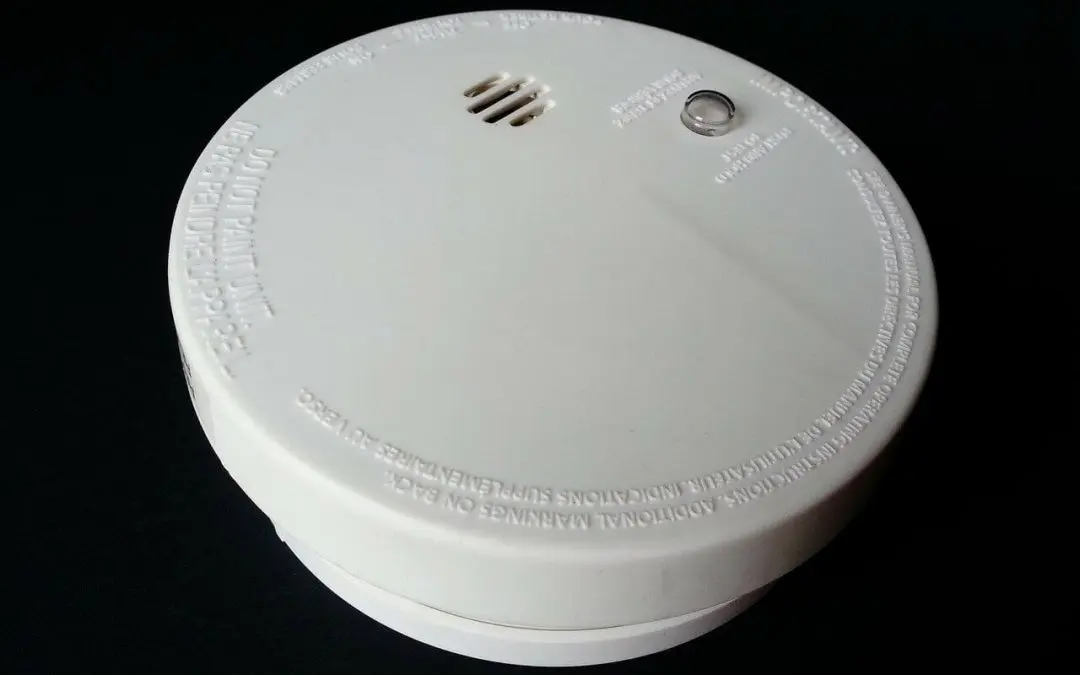
When the clocks change, it’s a good reminder to check the small devices that quietly protect your household every night. Working alarms cut the risk of dying in a home fire by roughly half, but only if they have power, are in the right places, and haven’t passed their expiration date. Most homeowners never think about their smoke detectors until a low-battery chirp wakes them at 3 a.m. A few minutes twice a year is all it takes to keep them ready. Here’s how.
How to Test Your Smoke Detectors Every Month
Press and hold the test button on each alarm until it sounds. The tone should be loud and clear, and if it’s weak or silent, replace the batteries right away. Make a habit of testing on the first of each month, and replace standard batteries at least once a year, or twice if you like to tie it to the clock changes. Hardwired alarms have a battery backup that needs replacing too. Never remove a battery to stop a nuisance alarm from cooking, because it’s easy to forget to put it back. Once or twice a year, vacuum the vents with a soft brush attachment to clear dust and cobwebs that can interfere with the sensor.
Check the Date and Replace Old Units
Smoke detectors wear out, and the sensors lose sensitivity with age even when the test button still works. Look at the manufacture date printed on the back of each unit, and replace any alarm that is ten years old or older. If the date is missing or unreadable, replace it. Carbon monoxide alarms have their own expiration dates, often between five and ten years, so check those at the same time. When you replace hardwired alarms, it’s best to swap them all together so the units are compatible and can be interconnected, and an electrician can help if you’re not comfortable working with the wiring.
Where to Place Smoke Detectors for Full Coverage
Install an alarm inside every bedroom, outside each sleeping area, and on every level of the home, including the basement. Mount them on the ceiling or high on a wall, following the manufacturer’s instructions for distance from corners. Keep alarms about ten feet from cooking appliances to reduce false alarms, and avoid placing them directly beside bathrooms, windows, or vents where steam and drafts can set them off. Interconnected alarms are worth the investment, because when one sounds, they all sound, giving everyone more time to react no matter where the fire starts.
Plan Your Escape Before You Need It
Even the best smoke detectors only help if everyone knows what to do when they sound. Walk through your home and identify two ways out of every room, and choose a meeting spot outside, such as the mailbox or a neighbor’s tree. Practice the plan twice a year with everyone in the household, including kids, and make sure they recognize the sound of the alarm. Sleeping with bedroom doors closed helps slow smoke and flames, and a fire extinguisher kept near the kitchen gives you a way to handle a small grease fire. Keep a flashlight near each bed, too. Together, these simple habits make your home far safer.
Prudent Home Inspections offers inspection services in the Washington DC metro area. Contact us to schedule an appointment.